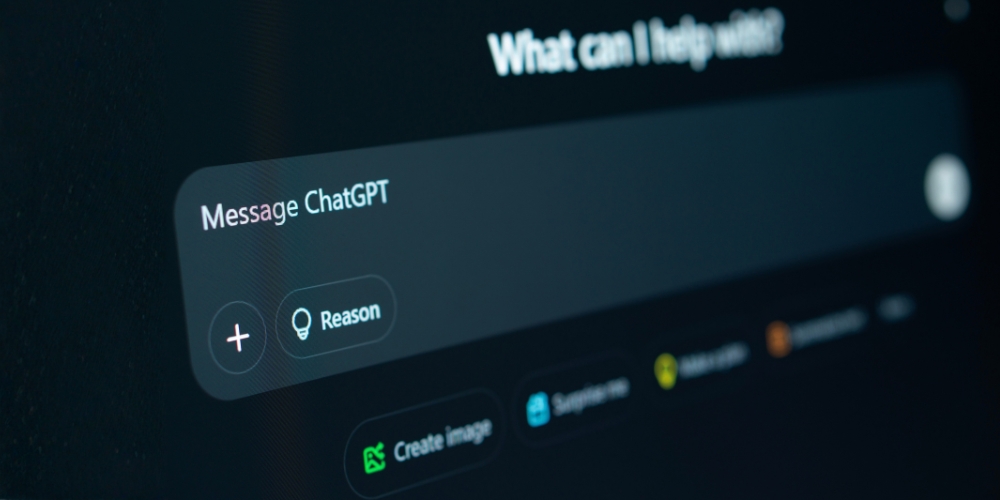
A patient opens ChatGPT and types a question: “Who is a good dentist near me?” Your practice may have a team and hundreds of satisfied patients. But here is the question: would your practice have enough credible, useful information online for an AI-powered search experience to understand, trust, and mention it?
That question matters because search behavior is changing. ChatGPT can search the web, use current information, provide source links, and use location information for local results. Your digital presence therefore needs to communicate clearly with both patients and systems that summarize information for them.
The good news? This is not about trying to “hack” ChatGPT. It is about building an accurate, useful, visible, consistent digital presence.
What Does It Mean for ChatGPT to Recommend a Dentist?
First, understand what an AI recommendation does and does not mean. ChatGPT does not maintain one universal list of “best dentists” delivered in the same order to every patient. Results can vary according to the query, available sources, location, freshness, and context.
That makes your online footprint important. If someone asks about emergency dentistry, Invisalign, dental implants, cosmetic dentistry, or pediatric dentistry, detailed pages explaining those services can make a practice easier to understand.
The goal should not be “How do we make ChatGPT pick us?” A better question is: “Does our online presence give search engines, AI systems, and patients enough trustworthy information to understand what we offer?”
Build a Website That Answers Real Patient Questions
Your website is still one of your most important digital assets. A modern dental website should do more than display a phone number, smiling photographs, and a list of services.
It should answer questions patients actually ask before booking.
For example, an Invisalign page can explain who may benefit, the treatment process, daily expectations, and consultations. A dental implant page can explain candidacy, treatment stages, restoration, maintenance, and factors affecting cost.
This gives patients useful information while creating clearer topical signals around your services.
Your website should clearly communicate your practice name, location, services, contact information, hours, doctors, insurance or financing information where applicable, and appointment options. Keep important business information consistent across platforms.
Make Local Information Easy to Understand
Dental care is inherently local. A patient looking for a dentist usually cares about proximity, availability, services, reputation, and convenience.
That means local SEO should be treated as a core part of dental marketing rather than an optional add-on.
Create useful service pages and location-focused content when it genuinely helps patients. Use natural phrases such as “dentist in [city],” “emergency dentist in [city],” “Invisalign in [city],” or “dental implants in [city].” The goal is relevance, not keyword repetition.
Google provides LocalBusiness structured-data guidance for information such as business details and hours. Structured data does not guarantee rankings or AI recommendations, but it can provide machine-readable context.
Strengthen Your Google Business Profile
For a local dental practice, your Google Business Profile is another important part of the digital ecosystem.
Keep the profile accurate and complete. Confirm the practice name, address, phone number, hours, website, services, photographs, and other relevant information. Regularly review details that may change, especially holiday hours and service information.
Reviews also deserve attention—not because a review count guarantees an AI recommendation, but because authentic feedback helps prospective patients evaluate a practice.
Encourage honest reviews when appropriate and respond professionally. Never manufacture reviews or use misleading incentives. The objective is a trustworthy reputation, not simply a larger number.
Create Content That Demonstrates Expertise
A practice that publishes useful content has more opportunities to explain what it knows.
Dental blogs can answer questions such as:
What should someone do after losing a filling?
How can patients prepare for wisdom tooth removal?
What makes Invisalign different from traditional braces?
When should a chipped tooth be evaluated?
What affects the cost of dental implants?
How can patients protect their teeth during sports?
The strongest content is specific, accurate, readable, and connected to the services the practice provides.
Think beyond generic topics. Explore patient concerns, seasonal situations, treatment decisions, maintenance questions, and misconceptions. Content should help someone understand a problem and identify an appropriate next step.
This creates a useful content ecosystem. A blog can link to a service page, a social post can point to the blog, and a video can explain the same concept visually.
One useful idea can become multiple digital assets.
Use Video to Show, Not Just Tell
Video is especially valuable for dental practices because many treatments are difficult to understand from text alone.
A short video can introduce a dentist, explain what happens during a consultation, demonstrate oral-care techniques, answer a common treatment question, or explain what patients can expect before and after a procedure.
Video can also humanize the practice. Patients choose healthcare providers, not simply websites. Seeing the environment, team, communication style, and educational approach can make the practice feel more familiar.
One professionally planned video can also become social clips, website content, educational posts, advertisements, and other campaign assets.
Keep Your Social Media Active and Useful
Social media should not become a collection of generic dental reminders. Use it to communicate something useful.
Create posts around common patient questions, services, seasonal oral-health concerns, treatment education, team introductions, practice updates, frequently misunderstood dental topics, and short educational videos.
For example, an Invisalign campaign can discuss how aligners fit into work travel, meals, photos, meetings, or everyday routines. An emergency dentistry campaign can explain what situations require prompt attention and what patients should do while arranging care.
The goal is consistency and usefulness. A practice does not need to post merely to fill a calendar; it needs content that reinforces expertise and gives patients a reason to remember it.
Build Consistency Across the Web
Imagine a practice name is written differently on its website, social profiles, directories, and other platforms. The phone number has changed in one location. The old address appears somewhere else. A service listed on one platform is missing from another.
These inconsistencies create friction.
Review major online listings and keep important business information accurate. Align the website, business profiles, social accounts, and other authoritative properties.
The same principle applies to messaging. If the website says one thing while social media says another, prospective patients may hesitate.
A recognizable, consistent brand makes the practice easier for people and digital systems to understand.
Show Evidence of Trust
Patients want more than claims. Instead of saying “We provide excellent care,” show evidence that helps people evaluate the practice.
Introduce the doctors and their qualifications. Explain areas of expertise accurately. Display appropriate professional credentials. Share genuine patient reviews where permitted. Provide clear information about technology, procedures, patient education, and the experience patients can expect.
Avoid exaggerated claims such as “the best dentist” unless there is a legitimate, verifiable basis for the statement. Strong marketing does not require unsupported superlatives.
Trust grows when claims are specific and supported.
Think Beyond Rankings
One of the biggest mistakes in modern dental marketing is treating visibility as a single ranking number.
Search visibility is broader than a ranking number.
A patient may discover a practice through Google, Maps, a social video, a blog, a review, an online directory, a referral, or an AI-powered search conversation. These touchpoints can influence whether the patient recognizes the practice, explores its website, and contacts the office.
Dental marketing should therefore connect SEO, social media, advertising, content, video, and website development instead of treating them as isolated activities.
The objective is a stronger digital presence across the patient journey.
Can Your Practice Be Understood in One Search?
Try a simple exercise.
Search for your practice name. Then search for your primary services with your city. Ask questions a potential patient might ask about your practice.
What information appears?
Is the address correct? Are the services clear? Can people find your website? Are your reviews visible? Does your website answer common questions? Are your social profiles active? Do your videos demonstrate expertise? Is your branding consistent?
Now consider the same questions from an AI-search perspective.
If public information is thin, outdated, inconsistent, or unclear, there may be less useful material available to summarize. That does not mean an AI system will ignore the practice; it means fewer strong digital signals may communicate what it does.
AI Search Is Another Reason to Improve the Fundamentals
It can be tempting to think AI search requires a secret formula. It does not. The fundamentals still matter: useful content, accurate information, local signals, technically sound websites, credible sources, consistent branding, authentic reviews, and an active presence.
ChatGPT itself advises users to review sources because search results and citations can sometimes be incomplete, outdated, or incorrect.
Preparing for AI-driven discovery means making an existing digital presence clearer, deeper, and more trustworthy.
How Digital Presence Matters Helps Dental Practices
Building this kind of presence requires more than publishing a blog occasionally. It requires strategy, creative execution, technical awareness, and consistent marketing.
That is where Digital Presence Matters can help.
Digital Presence Matters helps businesses strengthen digital experiences that help customers discover, understand, and connect with them. For dental practices, services can include SEO, website enhancement, branding, social media marketing, digital advertising, content strategy, and video creation.
Video creation can turn complex dental topics into educational content for websites, social platforms, and campaigns. Social media marketing can communicate services, expertise, patient education, and updates, while digital advertising can support targeted campaigns around specific services and audiences.
SEO can strengthen visibility through useful content, local optimization, technical improvements, and strategic service pages. Website enhancement can make information easier to navigate and help visitors find services, answers, contact details, and appointment pathways.
Branding ties these pieces together. When the website, social media, advertising, videos, and marketing materials communicate a consistent identity, the practice becomes easier to recognize and remember.
Most importantly, build the strategy around the patient—not an algorithm.
The goal is a digital presence that answers questions before patients call, demonstrates credibility before they visit, and keeps the practice visible throughout the decision-making journey.
So, If ChatGPT Recommended a Dentist, Would It Recommend Your Practice?
There is no guaranteed formula for being recommended by ChatGPT or another search system. Results can change based on the question, location, information, sources, and technology.
But there is a better question to ask: if someone searched for the exact service, location, and experience your practice provides, would the internet contain enough accurate, useful, and trustworthy information to explain why your practice belongs in the conversation?
That is the opportunity.
Build the website. Strengthen local SEO. Keep information accurate. Create useful content. Share authentic reviews. Produce videos. Maintain social media. Improve branding. Use digital advertising strategically. Then connect those efforts into one coherent strategy.
When your online presence clearly communicates who you are, what you do, where you are, and why patients should learn more, you are not simply preparing for ChatGPT.
You are preparing for the modern patient journey.
Ready to strengthen your dental practice’s digital presence? Contact Digital Presence Matters at Info@digitalpresencematters.com or call (925) 940-0705 to explore content, SEO, video, social media, advertising, branding, and website marketing solutions.
Remember
- Make your practice easy to understand: keep your website, listings, services, and contact information accurate and consistent.
- Create content that answers real patient questions instead of publishing content only to fill a calendar.
- Build connected marketing across SEO, video, social media, advertising, branding, and your website so every channel supports the patient journey.
Disclaimer
This article is provided for informational and marketing purposes only. It is not professional dental, medical, legal, or financial advice. Search and AI technologies can change, and no marketing strategy can guarantee that a dental practice will appear in a particular search result or AI-generated recommendation. Practices should evaluate their individual marketing, regulatory, and professional requirements and consult qualified professionals when appropriate.