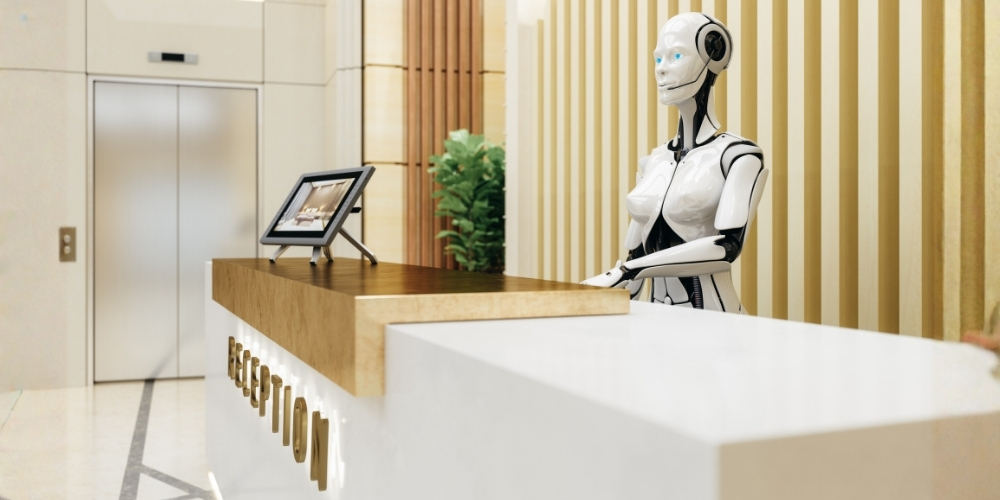
The Truth About Artificial Intelligence in Modern Dental Practices
Have you ever called a dental office only to be greeted by endless hold music, transferred between departments, or asked to repeat the same information three different times? It is frustrating for patients, exhausting for reception teams, and expensive for dental practices. Ironically, the very people responsible for delivering an excellent first impression often spend most of their day buried under repetitive administrative tasks instead of building meaningful patient relationships.
Dental reception has traditionally been viewed as a people-first role. From answering phone calls and confirming appointments to processing paperwork and handling insurance questions, receptionists are the backbone of daily operations. However, as patient expectations continue to rise and practices become increasingly busy, many dental offices are asking a difficult yet necessary question: Can artificial intelligence replace dental reception workflows?
The answer is more nuanced than a simple yes or no.
Artificial intelligence (AI) is transforming healthcare administration across the world. Rather than replacing people entirely, AI is proving remarkably effective at automating repetitive, time-consuming tasks while allowing human staff to focus on interactions that require empathy, judgment, and personalized communication. For dental practices looking to improve efficiency without sacrificing patient experience, AI presents exciting opportunities – but also important limitations.
In this guide, we’ll explore exactly where AI fits into modern dental reception workflows, what it can realistically accomplish today, where human expertise remains irreplaceable, and how practices can leverage technology to improve efficiency, patient satisfaction, and long-term growth. Whether you’re a practice owner, office manager, or simply curious about the future of dentistry, understanding AI’s role has never been more important.
Why Dental Reception Workflows Matter More Than Ever
The dental reception desk is much more than a place where patients check in. It serves as the communication hub of an entire practice. Every appointment, reminder, insurance inquiry, payment, emergency request, and patient question flows through reception.
When reception workflows function smoothly, patients enjoy:
- Faster appointment scheduling
- Shorter waiting times
- Clear communication
- Better treatment coordination
- Increased confidence in the practice
When workflows break down, however, the consequences can be significant.
Missed phone calls may translate into missed revenue opportunities. Delayed responses can frustrate new patients before they even walk through the door. Double bookings create unnecessary stress for clinicians, while forgotten appointment reminders increase costly no-show rates.
As practices grow, these operational challenges multiply. Hiring additional reception staff helps to some extent, but labor shortages, rising operational costs, and increasing patient expectations mean many practices are searching for smarter, scalable solutions.
This is precisely where AI-powered workflow automation is beginning to make a measurable difference.
The Growing Administrative Burden in Modern Dentistry
Clinical dentistry has become more advanced than ever before. Digital imaging, CAD/CAM technology, intraoral scanners, clear aligner therapy, and digital treatment planning have transformed patient care.
Ironically, administrative work has become more complicated as well.
Today’s reception teams often manage:
- New patient registrations
- Online appointment requests
- Phone scheduling
- Recall systems
- Insurance verification
- Payment reminders
- Treatment plan coordination
- Email communication
- Text message reminders
- Online reviews
- Patient record updates
- Emergency scheduling
- Appointment cancellations
- Waitlist management
Each task may only require a few minutes individually, but together they consume hours every day.
Research consistently shows that administrative activities account for a substantial portion of operating costs within healthcare organizations. Every unnecessary manual process increases workload while reducing the time staff can dedicate to patient-focused service.
The challenge isn’t that receptionists lack skill or commitment. Rather, they’re often overwhelmed by repetitive processes that technology can now assist with more efficiently.
What Is Artificial Intelligence in Dental Administration?
When many people hear “AI,” they imagine robots replacing employees or computers making every decision independently. In reality, today’s dental AI solutions are far more practical.
Artificial intelligence refers to software capable of learning patterns, processing information, recognizing language, and performing routine tasks that previously required human input.
Within dental administration, AI commonly supports tasks such as:
- Answering routine patient questions
- Scheduling appointments
- Sending reminders
- Managing cancellations
- Collecting patient information
- Processing forms
- Organizing communications
- Prioritizing administrative requests
- Supporting staff with workflow automation
Rather than replacing every receptionist, AI functions as a highly efficient digital assistant working around the clock.
Unlike human staff, AI never needs breaks, vacations, or overnight rest. It can respond instantly at midnight just as effectively as during regular business hours.
That doesn’t mean AI possesses emotional intelligence or clinical judgment. Instead, it excels at consistency, speed, and handling repetitive administrative processes with remarkable accuracy.
Understanding this distinction is essential before evaluating whether AI can truly replace reception workflows – or whether the future lies in collaboration between intelligent technology and experienced professionals.
Why More Dental Practices Are Exploring AI
Patient expectations have changed dramatically over the past decade. Consumers now expect the same convenience from healthcare providers that they receive from banks, airlines, online retailers, and food delivery services.
Patients increasingly expect to:
- Schedule appointments online anytime
- Receive immediate confirmation
- Get automated reminders
- Communicate through text messaging
- Complete forms digitally
- Receive quick answers to routine questions
- Experience minimal waiting times
Meeting these expectations manually becomes increasingly difficult as patient volume grows.
Meanwhile, dental practices face additional operational pressures, including staffing shortages, increasing competition, higher payroll costs, and the constant need to deliver exceptional patient experiences.
AI helps address many of these challenges by automating repetitive administrative processes while improving responsiveness and operational efficiency.
Instead of viewing AI as a replacement for people, forward-thinking practices increasingly see it as a productivity tool that allows talented reception teams to spend more time doing what humans do best – building trust, solving complex problems, and creating memorable patient experiences.
What AI Can Successfully Automate in Dental Reception Workflows
Understanding AI’s strengths begins with recognizing that not every reception task requires human judgment. A significant portion of daily administrative work follows predictable patterns, making it ideal for automation. By handling these repetitive responsibilities, AI reduces staff workload while creating a smoother experience for patients.
One of the most valuable applications is appointment scheduling. AI-powered scheduling systems can check provider availability, match appointments with the appropriate treatment type, recommend suitable time slots, and confirm bookings instantly. Patients no longer have to wait until office hours or remain on hold to secure an appointment. This convenience often translates into higher booking rates and improved patient satisfaction.
Appointment reminders represent another major opportunity. Missed appointments are among the most expensive operational challenges for dental practices. Automated reminder systems can send personalized text messages, emails, or voice calls at carefully timed intervals before an appointment. Many AI solutions also allow patients to confirm, reschedule, or cancel directly through the reminder, keeping the practice schedule accurate and reducing last-minute surprises.
AI also performs exceptionally well when answering frequently asked questions. Reception teams repeatedly receive inquiries about office hours, accepted insurance plans, directions, financing options, available services, and appointment preparation. Intelligent virtual assistants can provide immediate, consistent responses twenty-four hours a day, reducing phone congestion while ensuring patients receive accurate information whenever they need it.
Another valuable capability involves patient intake. Rather than asking patients to complete paper forms upon arrival, AI-enabled systems can securely collect demographic information, medical history, consent forms, and insurance details before the appointment. Receptionists spend less time entering data manually, while clinicians begin appointments with more complete and organized records.
Insurance verification, although often complex, can also benefit from AI assistance. Modern software can retrieve policy information, identify eligibility status, flag missing documentation, and prepare verification summaries for staff review. Human oversight remains essential for complicated claims, but automation significantly reduces repetitive verification work.
Call management is another area where AI delivers measurable improvements. Intelligent phone systems can answer incoming calls, identify the caller’s intent, direct emergencies appropriately, collect callback information, and resolve simple requests without requiring staff intervention. During peak office hours, this prevents valuable patient calls from going unanswered.
Beyond patient communication, AI contributes to internal workflow organization. It can prioritize urgent requests, categorize emails, generate daily task lists, notify staff about scheduling conflicts, and identify incomplete patient records. These seemingly small improvements accumulate into significant operational gains over time.
The Benefits of AI for Dental Practices
Automating administrative workflows offers advantages that extend well beyond convenience. When implemented thoughtfully, AI improves efficiency, enhances patient satisfaction, and supports sustainable business growth.
One immediate benefit is increased productivity. Receptionists spend less time on repetitive administrative tasks and more time assisting patients who require personalized attention. Instead of repeatedly answering routine questions or manually confirming appointments, staff can focus on treatment coordination, financial discussions, and creating positive patient experiences.
AI also improves response times. Modern consumers expect immediate communication, regardless of the industry. Whether a patient wants to schedule an appointment late in the evening or ask a simple question on a weekend, AI-powered systems provide instant responses rather than forcing patients to wait until the office reopens.
Consistency represents another significant advantage. Human employees naturally experience busy days, distractions, or occasional errors. AI follows established workflows every time, ensuring reminders are sent, forms are completed, and standard questions receive consistent answers. This reliability strengthens operational quality while reducing avoidable mistakes.
Cost efficiency is another compelling factor. While implementing AI requires investment, automation often lowers long-term administrative expenses by reducing overtime, minimizing scheduling inefficiencies, decreasing no-show rates, and enabling practices to grow without proportionally increasing administrative staffing.
Patient satisfaction also improves when communication becomes faster and more convenient. Easy online scheduling, prompt confirmations, digital paperwork, and immediate answers contribute to a seamless patient journey from the very first interaction. In today’s competitive dental marketplace, convenience can strongly influence where patients choose to receive care.
Data accuracy improves as well. Manual data entry increases the likelihood of typographical errors, duplicate records, and incomplete information. Automated systems capture standardized information, reducing inconsistencies while supporting better record management and regulatory compliance.
AI additionally provides valuable operational insights. Many platforms generate reports showing appointment trends, cancellation patterns, peak call times, patient communication preferences, and workflow bottlenecks. These analytics help practice owners make informed business decisions based on measurable performance rather than assumptions.
Perhaps most importantly, automation helps reduce employee burnout. Reception work can be demanding, especially during busy periods filled with ringing phones, scheduling changes, insurance questions, and patient concerns. Removing repetitive administrative burdens allows staff to work more efficiently, experience less stress, and dedicate their energy to the interpersonal aspects of care that technology cannot replicate.
As dental practices continue adopting digital transformation, AI is becoming less of a futuristic concept and more of a practical business tool. Its greatest value lies not in replacing receptionists but in empowering them to deliver faster service, better communication, and a consistently outstanding patient experience.
The Limitations of AI: What Technology Still Cannot Replace
Despite its impressive capabilities, AI is not a perfect substitute for every aspect of dental reception. While automation excels at handling structured, repetitive tasks, dentistry remains a people-centered profession where trust, empathy, and clear communication are essential. Understanding these limitations helps practices adopt AI realistically rather than expecting it to solve every operational challenge.
One of AI’s biggest weaknesses is emotional intelligence. Patients often contact a dental office feeling anxious, embarrassed, or frightened about an upcoming procedure. Some may have experienced dental trauma in the past, while others are worried about unexpected pain or financial concerns. In these situations, a compassionate receptionist can listen carefully, reassure the patient, and respond with genuine empathy. AI can generate polite responses, but it cannot truly understand emotions or build authentic human connections.
Complex conversations also remain challenging for automation. Patients frequently ask questions that require context, interpretation, or clinical judgment. For example, someone experiencing severe swelling after treatment may describe symptoms differently than expected. Determining whether the situation requires immediate attention often involves follow-up questions, careful listening, and collaboration with the clinical team. AI can recognize keywords and follow decision trees, but experienced staff are better equipped to handle unexpected situations with flexibility and sound judgment.
Language and communication nuances present another limitation. While conversational AI has improved significantly, accents, background noise, incomplete sentences, and regional expressions can still create misunderstandings. Receptionists naturally clarify unclear information and adapt their communication style based on each patient’s needs. This adaptability remains difficult for technology to replicate consistently.
Problem-solving is another area where humans continue to excel. Reception teams frequently resolve scheduling conflicts, accommodate emergency appointments, coordinate specialist referrals, manage insurance complications, and balance competing priorities throughout the day. These situations rarely follow predictable patterns, requiring creativity and experience rather than automated rules.
Privacy and cybersecurity must also be considered. Dental practices manage sensitive patient information that must be protected according to privacy regulations and industry standards. Although reputable AI platforms implement strong security measures, practices still need careful oversight, staff training, secure software configurations, and regular system monitoring to reduce risks associated with digital data management.
Implementation itself requires thoughtful planning. Simply purchasing AI software does not automatically improve workflows. Teams must understand how to integrate automation into existing processes, train employees effectively, monitor performance, and adjust workflows as the practice evolves. Without proper implementation, even powerful technology can become underutilized or create unnecessary frustration.
Why the Future Is AI Plus Humans – Not AI Instead of Humans
The discussion should not focus on whether AI will replace receptionists. A far more practical question is how AI and reception teams can work together to create a better experience for patients and a more efficient workplace for staff.
The most successful dental practices increasingly embrace a hybrid workflow where technology manages repetitive administrative responsibilities while people concentrate on high-value interactions.
Imagine a typical patient journey.
A patient discovers the practice online, books an appointment through an AI-powered scheduling system, receives automated confirmations and reminders, completes digital paperwork before arriving, and checks in with minimal waiting. Behind the scenes, AI has already organized appointment details, verified available scheduling slots, and prepared the necessary administrative information.
Once the patient enters the office, however, the experience becomes distinctly human. The receptionist offers a warm welcome, answers personalized questions, assists with financial discussions, coordinates treatment planning, and provides reassurance when needed. Instead of rushing between ringing phones and repetitive paperwork, the receptionist can devote full attention to creating a positive patient experience.
This partnership benefits everyone involved.
Patients receive faster service, greater convenience, and more personalized attention.
Receptionists experience reduced administrative overload and increased job satisfaction because they spend less time on repetitive tasks and more time solving meaningful problems.
Dentists and hygienists benefit from smoother schedules, better-prepared patients, fewer interruptions, and more organized administrative support.
Practice owners gain improved efficiency, higher patient retention, stronger operational performance, and better scalability without compromising service quality.
Rather than viewing AI as a competitor, forward-thinking practices recognize it as an extension of their team – a reliable assistant that works continuously while allowing employees to focus on responsibilities requiring emotional intelligence, communication skills, and professional expertise.
Preparing Your Dental Practice for an AI-Driven Future
Adopting AI successfully requires a strategic approach rather than simply following industry trends. Every practice has unique workflows, patient demographics, staffing structures, and business goals. The right implementation should enhance existing strengths instead of disrupting them.
The first step is identifying repetitive tasks that consume valuable administrative time. Appointment reminders, online scheduling, patient intake forms, FAQ responses, and recall communications are often excellent starting points because they follow consistent processes and produce immediate efficiency gains.
Next, practices should evaluate their existing technology. AI performs best when integrated with practice management software, digital calendars, communication platforms, and patient relationship management systems. Choosing compatible solutions minimizes duplication of work and ensures information flows accurately across departments.
Staff involvement is equally important. Employees should understand that AI is designed to support their work rather than replace their contributions. Proper training builds confidence, encourages adoption, and helps teams discover new ways to improve productivity using automation.
Monitoring results is another critical component. Practices should regularly review key performance indicators such as appointment conversion rates, response times, no-show percentages, patient satisfaction scores, online reviews, administrative workload, and overall scheduling efficiency. Measuring these outcomes ensures that AI investments continue delivering meaningful value over time.
Finally, practices should remember that technology evolves rapidly. Continuous evaluation, software updates, workflow refinements, and ongoing staff education help ensure AI remains an asset rather than becoming outdated. The practices that adapt thoughtfully today will be better positioned to meet tomorrow’s patient expectations while maintaining the personal touch that defines exceptional dental care.
How Digital Presence Matters Helps Dental Practices Thrive in the AI Era
Artificial intelligence may streamline administrative workflows, but operational efficiency alone does not guarantee practice growth. Patients still need to discover your practice, trust your expertise, engage with your brand, and ultimately choose your services over countless competitors. That is where a comprehensive digital marketing strategy becomes just as important as the technology operating behind your reception desk.
At Digital Presence Matters, we understand that successful dental practices require more than modern software. They need a compelling online presence that attracts prospective patients, strengthens credibility, and converts interest into appointments. Our team helps practices bridge the gap between operational excellence and effective digital visibility.
Professional video creation is one of the most powerful ways to connect with today’s patients. Educational videos explaining procedures, dentist introductions, office tours, patient testimonials, oral health tips, and frequently asked questions help build trust before a patient ever makes a phone call. Video content also performs exceptionally well across websites, search engines, and social media platforms, increasing engagement while showcasing the personality behind your practice.
Search Engine Optimization (SEO) remains another critical pillar of long-term growth. Even the most advanced dental office cannot benefit from AI if prospective patients cannot find it online. By optimizing website content, improving local search visibility, targeting high-value dental keywords, enhancing technical website performance, and creating informative content, Digital Presence Matters helps practices appear where patients are actively searching for dental care.
Social media marketing complements these efforts by keeping practices connected with their communities. Consistent, high-quality content educates followers, answers common questions, highlights services, celebrates practice milestones, and reinforces your reputation as a trusted provider. A strong social presence also supports patient loyalty while encouraging referrals through meaningful engagement.
Digital advertising provides another opportunity to accelerate growth. Carefully managed campaigns across search engines and social platforms help practices reach patients seeking services such as preventive dentistry, cosmetic treatments, dental implants, Invisalign®, emergency dental care, family dentistry, and more. Strategic advertising ensures marketing budgets are invested where they generate measurable results rather than wasted impressions.
Branding is equally essential. Every patient interaction – from your logo and website to appointment reminders and educational materials – shapes public perception of your practice. A consistent, professional brand communicates trust, quality, and reliability while differentiating your office in an increasingly competitive marketplace.
Website enhancement completes the patient journey. Modern websites should load quickly, function flawlessly on mobile devices, provide intuitive navigation, offer online scheduling, answer frequently asked questions, and encourage visitors to take action. Digital Presence Matters helps practices optimize every aspect of their websites to improve user experience, strengthen search rankings, and increase appointment requests.
The future of dentistry belongs to practices that embrace both operational innovation and strategic marketing. AI may answer the phone after hours, automate reminders, and simplify scheduling, but meaningful patient relationships begin long before someone sits in the dental chair. They begin with visibility, credibility, education, and trust – qualities that effective digital marketing builds every single day.
Whether your goal is to modernize reception workflows, increase patient acquisition, improve online reputation, create engaging video content, strengthen your social media presence, launch targeted advertising campaigns, refresh your brand, or optimize your website for higher conversions, Digital Presence Matters offers tailored solutions designed to support sustainable growth.
Technology can make your practice more efficient. Marketing makes sure patients actually find you. Together, they create a powerful foundation for long-term success.
Final Thoughts
So, can AI replace dental reception workflows?
The evidence suggests that AI can successfully automate many administrative responsibilities, including appointment scheduling, reminders, patient intake, routine inquiries, workflow organization, and communication management. These capabilities improve efficiency, reduce repetitive workloads, and enhance convenience for both patients and staff.
However, AI cannot replace the compassion, adaptability, critical thinking, and interpersonal skills that experienced reception professionals bring to every patient interaction. The most successful dental practices will not eliminate human receptionists; instead, they will empower them with intelligent technology that allows them to work smarter, provide more personalized service, and focus on what truly matters – building lasting patient relationships.
As dentistry continues evolving, practices that embrace innovation while preserving the human touch will be best positioned to deliver exceptional patient experiences, strengthen operational performance, and remain competitive in an increasingly digital world.
The future is not about choosing between artificial intelligence and people. It is about combining the strengths of both to create a more efficient, responsive, and patient-centered dental practice.
If your dental practice is ready to strengthen its online presence while embracing the future of digital transformation, Digital Presence Matters is here to help.
Email: Info@digitalpresencematters.com
Phone: (925) 940-0705
Remember
- Use AI to automate repetitive administrative tasks so your team can focus on delivering exceptional patient care and building meaningful relationships.
- Technology is most effective when it supports – not replaces – the human expertise, empathy, and communication that define outstanding dental experiences.
- Pair operational efficiency with a strong digital marketing strategy to attract more patients, improve visibility, and position your practice for sustainable long-term growth.
Disclaimer
The information provided in this article is intended for general educational and marketing purposes only. It should not be considered legal, financial, clinical, cybersecurity, or professional business advice. Every dental practice has unique operational requirements, technology infrastructure, and regulatory obligations. Always consult qualified professionals before implementing AI solutions, modifying workflows, or making significant business decisions related to your practice.