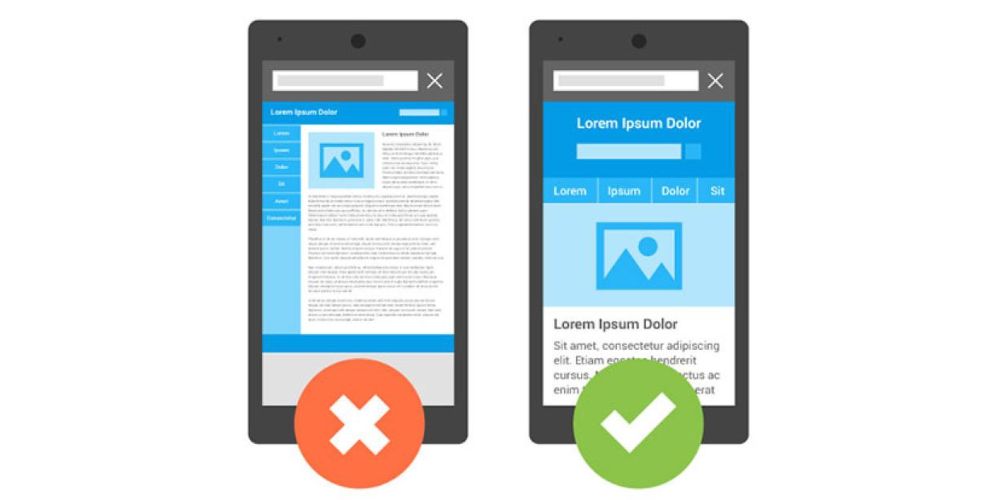
Most dental websites fail before patients even finish their first thumb scroll.
That sounds dramatic, but modern attention spans are brutally short. People unlock their phones dozens of times every day, skim hundreds of posts, scroll through endless videos, and make snap judgments about businesses within seconds. Somewhere in the middle of all that noise, your dental practice is trying to earn trust, attention, and appointments.
The problem is that many practices still design their online presence like patients are sitting at desktop computers carefully reading every word.
They are not.
They are standing in grocery store lines, sitting in traffic, waiting for coffee, or scrolling in bed at midnight while searching “best cosmetic dentist near me.” In those moments, your practice has only a few seconds to communicate professionalism, trustworthiness, and relevance before the patient moves on.
This is what marketers increasingly call the “iPhone Test.”
If someone discovers your dental practice on their phone, would your website, videos, branding, reviews, social media, and messaging convince them to stay engaged within eight seconds?
Or would they leave immediately and choose a competitor that feels more modern, clearer, and easier to trust?
This question matters because mobile-first behavior now dominates dental marketing.
Patients judge practices quickly based on visual quality, loading speed, content clarity, provider visibility, online reviews, social proof, and overall user experience. Google tracks many of these behaviors closely because engagement signals increasingly influence search rankings and online visibility.
The practices winning today are not simply the ones with the biggest advertising budgets.
They are the ones that create frictionless digital experiences patients instantly connect with emotionally and visually.
Passing the iPhone Test is now one of the most important advantages a dental practice can have online.
Attention Spans Have Changed Permanently
Modern consumers process enormous amounts of digital information daily.
Social media platforms, streaming services, notifications, short-form videos, and mobile browsing have fundamentally changed how people interact with content.
Patients no longer consume information slowly.
They scan quickly.
This behavioral shift directly affects dental marketing because practices now compete against every other form of digital content for attention.
A slow website, confusing layout, outdated branding, or weak visual presentation can lose potential patients almost instantly.
First impressions happen rapidly, especially on mobile devices where screen space is limited and distractions are constant.
Practices must communicate value immediately.
Mobile Experience Now Defines Credibility
Most dental searches now happen on smartphones.
Patients searching for cosmetic dentistry, Invisalign, dental implants, emergency dentistry, veneers, or pediatric care often evaluate practices entirely through mobile devices before making contact.
That means your mobile experience directly shapes trust.
If text is difficult to read, pages load slowly, videos fail to play properly, or navigation feels confusing, patients associate that frustration with the practice itself.
A polished mobile experience signals professionalism and attention to detail.
A frustrating one creates doubt immediately.
Mobile optimization is no longer optional.
It is foundational to modern dental growth.
The First Screen Matters Most
Patients often decide whether to continue browsing within seconds of landing on a website.
This means the first visible screen on mobile devices carries enormous importance.
Strong dental websites immediately communicate several things clearly:
Who the practice is.
What services are offered.
Why patients should trust the provider.
How to schedule appointments.
Weak websites bury this information beneath clutter, excessive text, outdated visuals, or confusing navigation.
Modern patients want clarity fast.
Practices that simplify communication usually improve engagement significantly.
Speed Directly Affects Patient Retention
Few things damage digital trust faster than slow-loading websites.
Mobile users expect instant responsiveness.
Research consistently shows that even small delays increase bounce rates dramatically. Patients simply leave and choose another practice if digital experiences feel inconvenient.
Google also prioritizes fast websites because speed improves user satisfaction.
This means website performance affects both patient retention and SEO visibility simultaneously.
Fast-loading pages improve engagement, conversion rates, and search rankings together.
Practices investing in technical optimization gain major competitive advantages online.
Visual Branding Shapes Emotional Reactions
Patients emotionally react to design before reading detailed information.
Color schemes, typography, photography quality, spacing, branding consistency, and visual hierarchy all influence perception immediately.
Modern dental branding should feel clean, trustworthy, approachable, and professional.
Outdated visuals create subconscious concern.
Patients may not verbalize exactly why a website feels untrustworthy, but visual inconsistency often contributes heavily to hesitation.
Strong branding creates recognition and emotional comfort quickly.
That comfort matters because healthcare decisions are deeply emotional.
Video Content Captures Attention Faster
Video marketing has become one of the strongest tools for surviving the iPhone Test because video communicates information quickly while building familiarity simultaneously.
Patients trust providers they can see and hear.
Short-form videos explaining procedures, introducing providers, answering FAQs, or showcasing office environments reduce uncertainty immediately.
Video also increases engagement time significantly.
Patients often spend longer interacting with websites and social platforms featuring educational videos compared to static content alone.
Longer engagement improves both patient trust and digital performance metrics.
Practices using video strategically often create stronger emotional connection online.
Reviews Influence Instant Decisions
Online reviews heavily impact whether patients continue exploring a practice after initial discovery.
Most users quickly glance at star ratings, review quantity, and recent patient feedback before making decisions.
Strong reviews create immediate credibility.
Weak or outdated reviews create hesitation.
Importantly, reviews work best when combined with strong visual branding and active digital presence. Patients trust reviews more when practices also appear modern, active, and professionally presented online.
Trust today comes from multiple reinforcing signals working together.
Social Media Extends Mobile Visibility
Social media often functions as the second stage of patient research.
After finding a practice through Google, many patients immediately check Instagram, Facebook, TikTok, or YouTube profiles.
Dead or inconsistent social media pages weaken credibility quickly.
Active social platforms featuring educational videos, team culture, treatment explanations, office visuals, and patient-focused messaging strengthen familiarity significantly.
Modern audiences expect ongoing digital engagement.
Practices consistently creating visual content remain more memorable and recognizable over time.
Educational Content Builds Trust Faster Than Promotions
Patients respond more strongly to educational value than aggressive advertising.
Content explaining Invisalign, implants, whitening, veneers, oral hygiene, cosmetic procedures, sedation dentistry, or pediatric care performs well because it answers real patient questions.
Educational content positions practices as trustworthy authorities naturally.
This matters because patients increasingly research treatments independently before consultations happen.
Practices providing clear educational resources often improve both SEO performance and patient trust simultaneously.
Knowledge builds confidence.
Confidence increases consultation likelihood.
Simplicity Improves Conversions
Many dental websites fail because they overwhelm users.
Too much text, excessive menu options, cluttered layouts, and unclear messaging create friction quickly on mobile devices.
Strong digital experiences prioritize simplicity.
Patients should immediately understand where to click, how to contact the office, and what the practice specializes in.
Clear calls-to-action significantly improve conversion performance.
Modern patients value convenience heavily.
Practices reducing friction during digital interactions often generate more appointments consistently.
Local SEO Depends on User Experience
Search engine optimization has evolved beyond basic keyword placement.
Google increasingly evaluates engagement signals connected to user satisfaction.
High bounce rates, weak engagement, poor mobile performance, and low interaction levels often indicate poor user experience.
Practices improving usability frequently improve local SEO visibility simultaneously.
This includes optimizing website speed, mobile responsiveness, content structure, video integration, navigation clarity, and patient engagement pathways.
Modern SEO rewards useful and enjoyable experiences.
Authenticity Outperforms Corporate Messaging
Patients increasingly distrust overly polished corporate marketing language.
Authenticity performs better online because it feels more relatable and human.
Simple provider introductions, conversational educational videos, office walkthroughs, and behind-the-scenes content create stronger emotional connection than generic advertising slogans.
Patients want to feel comfortable with providers before appointments happen.
Authentic communication helps reduce emotional distance.
That familiarity strengthens trust significantly.
Why Many Practices Fail the iPhone Test
Most dental practices focus heavily on clinical care and operational management daily.
Digital optimization often becomes inconsistent or outdated over time.
Websites age quickly. Social media slows down. Branding becomes fragmented. Video content gets postponed repeatedly.
Unfortunately, modern patients notice these gaps immediately.
The challenge is rarely lack of expertise.
It is lack of strategic digital execution.
Passing the iPhone Test requires websites, branding, social media, SEO, reviews, video content, and user experience working together cohesively.
Without consistency, practices struggle maintaining strong digital credibility.
How Digital Presence Matters Helps Dental Practices Pass the iPhone Test
Digital Presence Matters helps dental practices strengthen online visibility, improve patient engagement, and create stronger mobile-first digital experiences through strategic marketing solutions designed specifically for healthcare businesses.
One of the company’s strongest services is professional video creation tailored for modern dental marketing. Video content has become essential because it captures attention quickly while building trust and familiarity simultaneously. Digital Presence Matters creates educational treatment videos, office walkthroughs, provider introductions, social media reels, branded campaigns, and short-form content optimized for Instagram, TikTok, YouTube, Facebook, websites, and Google visibility.
The company also provides strategic social media marketing designed to improve consistency, audience engagement, and long-term brand recognition. Instead of random posting schedules, Digital Presence Matters develops structured content strategies aligned with patient interests, platform algorithms, and dental marketing goals.
Search engine optimization remains another major focus. Digital Presence Matters helps practices improve local SEO rankings through keyword optimization, technical SEO improvements, Google Business Profile management, educational content development, reputation strategies, and mobile-first search optimization tailored specifically for dental practices.
Website enhancement services strengthen mobile responsiveness, user experience, visual branding, page speed, conversion-focused design, and content organization. Modern websites perform significantly better when they combine intuitive navigation, educational resources, strong visuals, and frictionless mobile experiences consistently.
Digital advertising campaigns are also developed strategically to attract high-intent patients searching for dental services online. Rather than broad generic campaigns, Digital Presence Matters creates targeted advertising strategies designed to improve visibility, engagement, and measurable patient acquisition.
Ultimately, the iPhone Test reflects a much larger truth about modern dental marketing.
Patients decide quickly which practices feel trustworthy, current, and professional online. Dental practices investing in stronger mobile experiences, educational content, visual branding, video marketing, and consistent digital engagement position themselves for better SEO visibility, stronger patient trust, higher consultation rates, and sustainable long-term growth.
Remember
- Modern patients often decide whether to trust a dental practice within seconds of viewing it on mobile devices.
- Fast websites, strong branding, educational videos, and simple navigation improve both patient engagement and local SEO performance.
- Consistent digital experiences across websites, social media, reviews, and content help practices stand out in highly competitive markets.
Disclaimer
This blog is intended for informational and marketing purposes only. It should not be considered professional dental, legal, financial, or healthcare advice. Dental practices should evaluate marketing strategies and operational decisions with qualified professionals before implementation.
Contact Digital Presence Matters today to strengthen your dental marketing strategy.
Info@digitalpresencematters.com
Phone: (925) 940-0705